Faceswap: Text2Filter
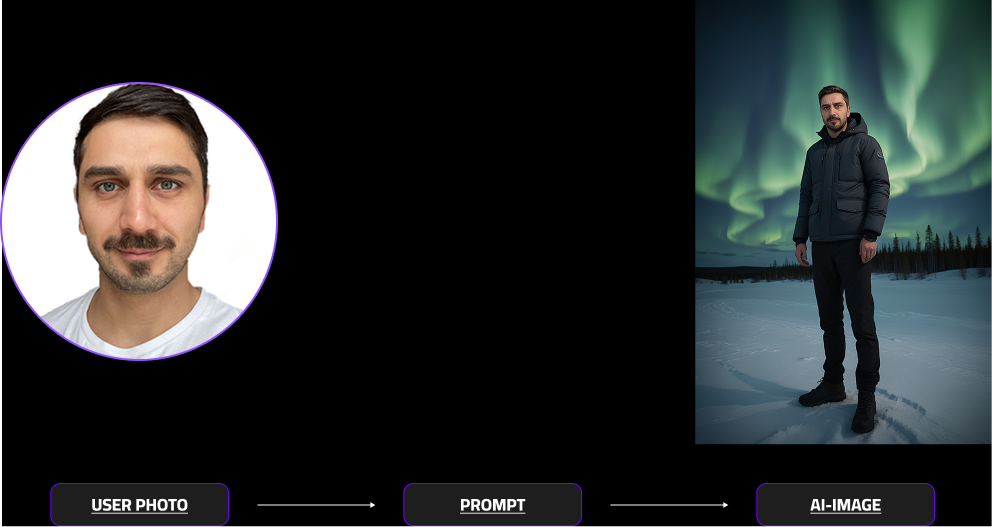
With Faceswap Text2Filter, you can easily create your own single-person filters for our V4 and V5 models — directly through text prompts.
By simply describing your desired look or style, the AI automatically transforms the user’s face according to your prompt.
In this guide, you’ll learn:
- How to write effective prompts for Facewarp (Text-to-Filter)
- The key do’s and don’ts for best results
- And how to save and use your custom filters at your events
Let’s get started and turn your creative ideas into ready-to-use, AI-powered filters.
Getting Started with Text2Filter
Text2Filter allows users to create personalized filters through text prompts. By simply describing the desired style or look, Text2Filter automatically transforms you into the prompted scenery while keepping your liekness.
What Are the Prerequisites?
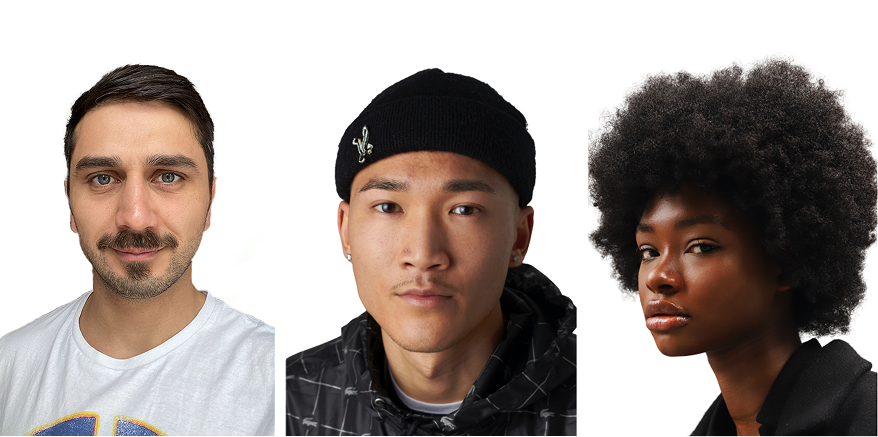
- A clear, front-facing face image of the user.
- The face should be well-lit, unobstructed, and sharp for best results.
- That’s it — no masks, reference images, or additional settings needed.
What are good input images?
The quality of your result depends heavily on the quality of your input photo. Below are examples and tips to get the best results possible.
✅ DOs — What Works Best
- Use well-lit photos (natural light is ideal)
- Ensure the face is fully visible (no sunglasses, hands, or obstructions) and makes up around 1/3 to 1/2 of the image; the more details visible the better
- Choose high-resolution images with clear, sharp details
- 📸 See examples of good input photos to understand how to set it up
❌ DON’Ts — Common Mistakes
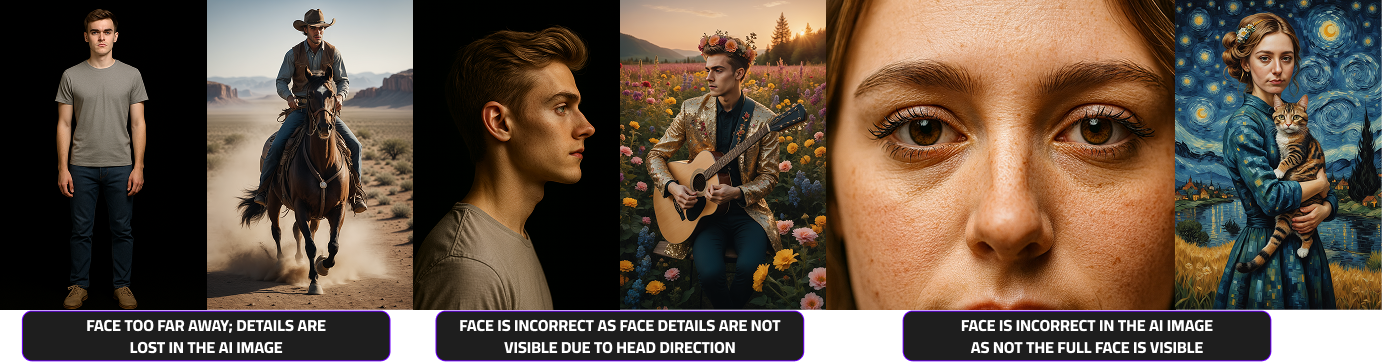
- Avoid blurry, pixelated, or low-resolution selfies
- Don’t use side profiles or extreme angles
- Skip photos with harsh lighting or strong shadows
- Avoid hats, filters, or obstructions covering the face
- 📸 See examples of bad input photos to understand what to avoid
Prompting: From Theory to Reality
How to prompt text2filter?
Prompting is how you recall the keyword to your AI. It’s not about writing more — it’s about writing smarter.
🔧 Build the Perfect Prompt Structure
Formula:
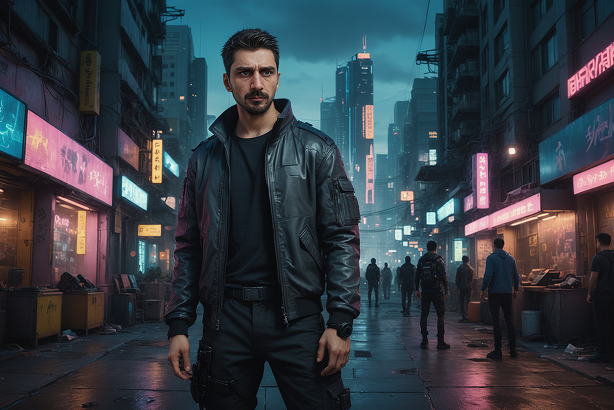
[Camera] [Subject] [Style] [Scenery] [Adjectives]
Example:
Full body portrait, a photography of a male standing in a cyberpunk city surrounded by building at dusk, style of Cyberpunk 2077, highly detailed, cinematic
🖼️ Aspect Ratios Matter
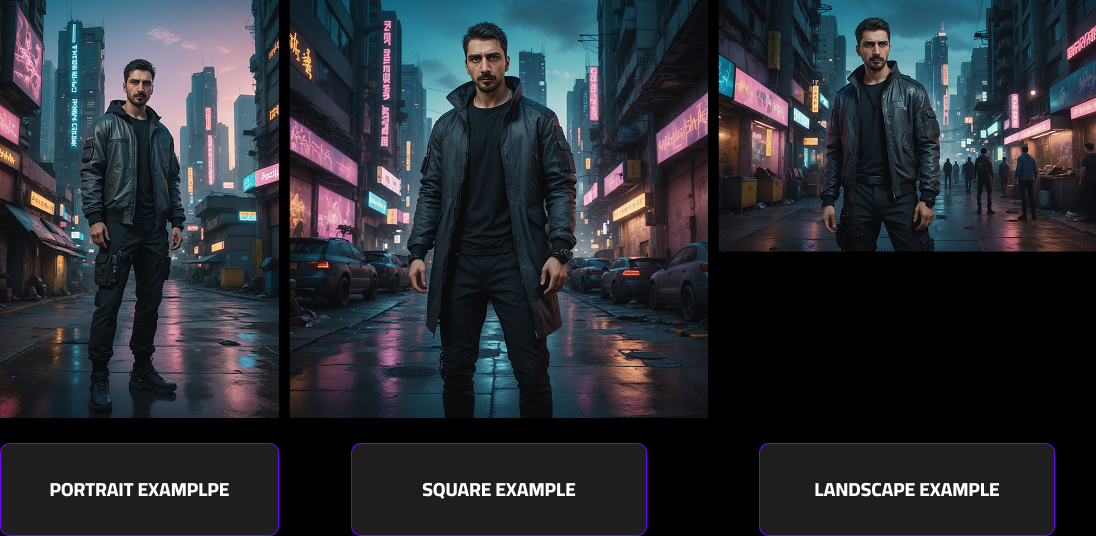
- Landscape: Great for scenery and wide shots. Can crop people.
- Portrait: Ideal for character-focused compositions.
- Square: The most universal and balanced format.
✅ Prompting Do’s
- Be specific but concise (avoid storytelling)
- Use keywords
- Use negative prompts to block what you don’t want
- Choose a matching aspect ratio
❌ What to Avoid
-
Don’t say "an astronaut without a helmet" → that might still include a helmet
-
Instead use:
- Positive: an astronaut
- Negative: helmet
- Don't combine too many visual ideas at once
- Don’t add any mask to the subject, the face should be visible
- Don’t drastically change the camera angle compared to the input image
📌 Final Tips
- Start simple and build complexity slowly
- If your image fails, simplify the prompt or change the camera style
- Use visual keywords like "dramatic lighting", "soft focus", or "high contrast" for clarity
- Adding gloves to the subject can reduce the chance of deformed hands
Prompt examples
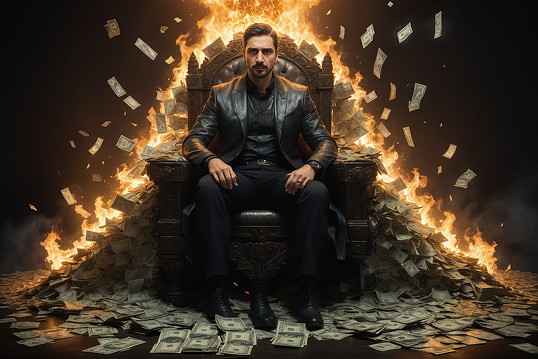
Prompt example: Money Throne
a full body portrait of a badass male sitting on a flaming throne surrounded by a pile of dollar bills, with more bills flying through the air, intense lighting and dramatic atmosphere in the detailed, fantastical style of Andreas Rocha, ultra cinematic lighting, atmosphere, photorealistic, studio lighting
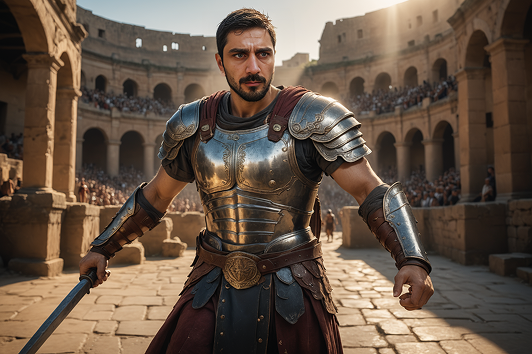
Prompt example: Roman Gladiator
a full body portrait of a badass male sitting on a flaming throne surrounded by a pile of dollar bills, with more bills flying through the air, intense lighting and dramatic atmosphere in the detailed, fantastical style of Andreas Rocha, ultra cinematic lighting, atmosphere, photorealistic, studio lighting
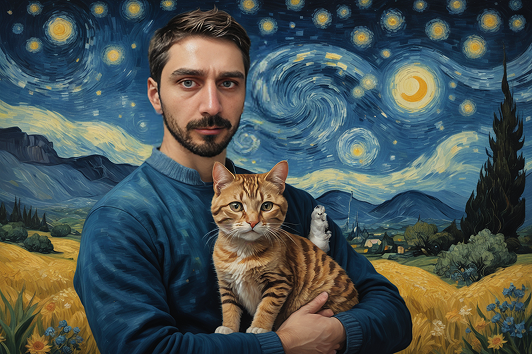
Prompt example: Person as Van Gogh Painting
A full-body painted portrait of a male gently holding a cute cat, set within a swirling, dreamlike landscape inspired by Van Gogh’s Starry Night. standing beneath a sky alive with vibrant, textured stars and luminous swirls of deep blue and gold. The landscape is fantastical, with rolling hills and whimsical shapes rendered in Van Gogh's expressive brushstrokes. The scene is illuminated with cinematic lighting, casting dramatic shadows and soft volumetric glows.